When developing a premium loungewear collection, fabric choice shapes everything — from comfort and drape to durability, fit retention, and how luxurious the final garment feels in everyday wear.
Among the most popular fabrics used in modern loungewear today are Modal, Tencel™, and Bamboo. All three are known for their softness and breathability, but they perform very differently depending on the product category, garment construction, and customer expectations.
For fashion brands, choosing the right fabric is not just about softness. It is about understanding how the material behaves during production, washing, movement, and long-term wear.
In this guide, we compare Modal, Tencel™, and Bamboo fabric in detail — including feel, durability, moisture management, drape, pricing, and which fabric works best for different types of loungewear and sleepwear collections
Understanding the Fabrics
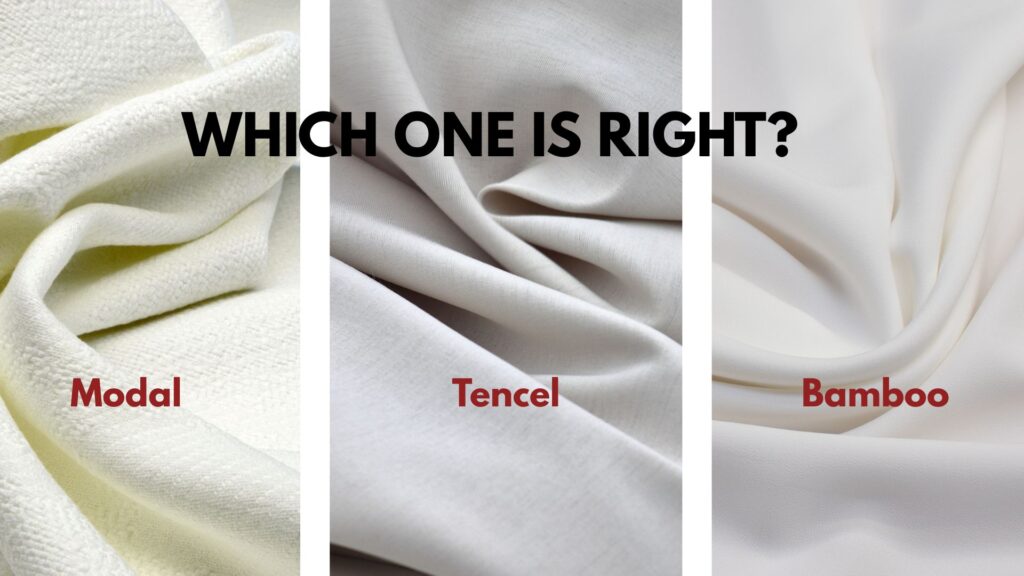
What is Modal fabric?
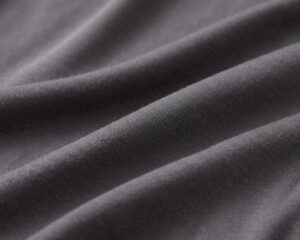
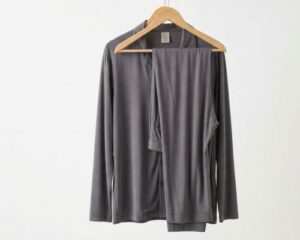
Modal is a soft cellulose-based fabric made primarily from beech tree pulp. It is widely used in premium loungewear because of its smooth texture, lightweight feel, and beautiful drape.
Compared to traditional cotton, Modal feels softer, absorbs moisture more efficiently, and creates a more elevated finish in relaxed silhouettes.
Why Brands Choose Modal
- Ultra-soft hand feel
- Lightweight and breathable
- Smooth drape for relaxed garments
- Rich color absorption
- Comfortable against skin
- Ideal for elevated basics
Best Applications
- Pajama sets
- Lounge pants
- Sleep shirts
- Relaxed robes
- Everyday comfortwear
What is Tencel™ fabric?
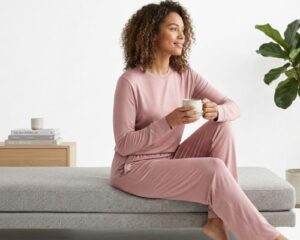

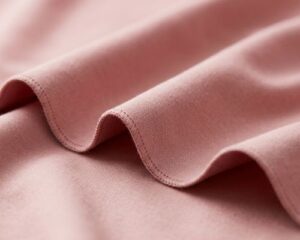
Tencel™ is a branded Lyocell fiber produced by Lenzing AG. It is known for its silky surface, premium appearance, durability, and moisture management.
Tencel™ has become increasingly popular in luxury loungewear collections because it combines softness with structure and long-term performance.
Why Brands Choose Tencel™
- Silky smooth texture
- Premium luxury finish
- Excellent moisture control
- Durable and long-lasting
- Temperature regulating
- Less prone to odor retention
- Elegant drape with refined appearance
Best Applications
- Premium lounge sets
- Luxury robes
- Elevated basics
- Travel loungewear
- Minimal capsule collections
What is Bamboo fabric?
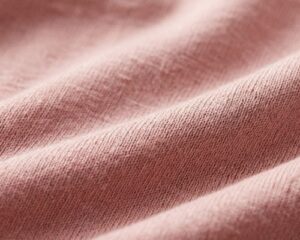
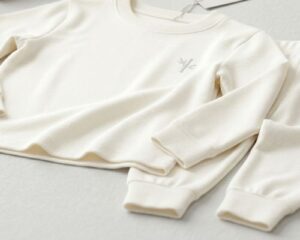
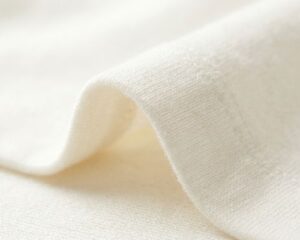
Bamboo fabric is commonly made from bamboo pulp processed into soft viscose or rayon fibers. It is widely appreciated for its plush feel, breathability, and comfort-focused performance.
Many sleepwear and comfortwear brands use bamboo fabrics because they feel soft against the skin and work well across different climates.
Why Brands Bamboo
- Soft and plush texture
- Breathable and lightweight
- Comfortable for long wear
- Thermal regulating
- Suitable for sensitive skin
- Excellent moisture absorption
Best Applications
- Sleepwear collections
- Lightweight pajama sets
- Intimate loungewear
- Maternity wear
- Sensitive skin categories
Quick Comparison: Modal vs Tencel vs Bamboo
| Feature | Modal | Tencel | Bamboo |
| Softness | Very Soft | Silky Smooth | Soft and Plush |
| Sustainability | Moderate | Excellent | Moderate |
| Durability | Medium | High | Medium |
| Moisture Management | Excellent | Excellent | Very Good |
| Wrinkle Resistance | Moderate | Excellent | Moderate |
| Price | Mid-Premium | Premium | Mid-Range |
| Best For | Sleepwear | Premium Loungewear | Baby and Kids Loungewear |
Manufacturing Process and Environmental Impact
Modal
Process: Modal is produced using a modified viscose process that treats wood pulp with chemicals to create a solution that is then extruded through spinnerets to form fibers.
Environmental Impact:
- Moderate water usage
- Uses fewer chemicals than traditional rayon
- Generally considered less eco-friendly than Tencel but more sustainable than conventional cotton
- Biodegradable
Tencel
Process: Tencel uses a closed-loop lyocell process where the solvent (amine oxide) is recycled with a recovery rate of over 99%, significantly reducing environmental impact.
Environmental Impact:
- Low water usage
- Minimal chemical waste due to solvent recycling
- Sustainably harvested eucalyptus trees grow quickly without irrigation or pesticides
- Fully biodegradable
- Usually certified by the Forest Stewardship Council (FSC)
Bamboo
Process: Bamboo fabric is typically produced using either a mechanical process (similar to linen production) or a chemical process (similar to rayon production). The chemical process is more common.
Environmental Impact:
- Raw material is highly sustainable (bamboo grows rapidly without pesticides)
- Chemical processing method can be environmentally harmful, using sodium hydroxide and carbon disulfide
- Water treatment concerns in some production facilities
- Biodegradable end product
How Loungewear Brands Actually Choose Fabrics
Many new brands select fabrics based only on softness. However, experienced fashion brands evaluate how the fabric performs throughout development and production.
At Zeddwork Studio, fabric selection usually depends on:
- Drape and silhouette behavior
- Stretch and recovery
- GSM and fabric weight
- Shrinkage control
- Wash durability
- Pilling resistance
- Moisture performance
- Print and dye compatibility
- Seasonality and climate
- Overall garment positioning
Best Fabric Based on Product Type
Modal blends remain one of the most popular choices because of their softness and relaxed drape.
- Luxury Lounge Sets: Tencel™ works exceptionally well for premium collections that require structure, durability, and elevated finish.
- Travel Loungewear: Tencel™ offers wrinkle resistance and shape retention ideal for travel-friendly garments.
- Sensitive Skin Sleepwear: Bamboo blends provide softness and breathable comfort for extended wear.
- Everyday Elevated Basics: Micro Modal with elastane creates a smooth stretch feel ideal for fitted basics and premium essentials.
Common Mistakes Brands Make When Choosing Fabrics
- Choosing Softness Over Longevity: Some fabrics feel luxurious initially but lose shape or pill quickly after repeated washing if the construction is not balanced properly.
- Ignoring Fabric Weight: The same fiber can behave completely differently depending on GSM and knit structure.
- Overlooking Shrinkage: Improperly finished fabrics may shrink significantly during washing, affecting garment fit consistency.
- Not Testing Blends Properly: Small blend changes can alter softness, stretch recovery, and garment durability.
- Prioritizing Trend Over Product Function: Not every fabric works for every silhouette. A fabric perfect for robes may not perform well in fitted lounge sets.
Why Fabric Blends Often Perform Better
Many premium loungewear collections combine fibers to improve comfort, durability, and overall garment performance.
Popular Blend Options
Some fabrics feel luxurious initially, but lose shape or pill quickly after repeated washing if the construction is not balanced properly.
- Modal + Cotton: Adds structure and durability while maintaining softness.
- Tencel™ + Modal: Creates a smooth, elevated drape with enhanced softness.
- Bamboo + Cotton: Balances breathability, comfort, and easier care.
- Micro Modal + Elastane: Improves stretch recovery for fitted loungewear silhouettes.
Blends also allow brands to optimize pricing and functionality depending on the final product category.
Which Fabric Should You Choose?
Choose Modal If:
- Softness is your primary focus
- Your collection emphasizes comfort and drape
- You are developing sleepwear or relaxed silhouettes
- You want a premium feel without entering luxury pricing
Choose Tencel™ If:
- You are building a premium or elevated collection
- Durability and performance matter
- You want refined drape and polished appearance
- Your customer expects luxury comfortwear
Choose Bamboo If:
- Your products focus on softness and comfort
- You are developing sleepwear or maternity categories
- Breathability is important
- You want a plush hand feel for everyday wear
Fabric Selection Shapes the Entire Product Experience
The right fabric affects how garments move, wash, fit, and feel over time. Beyond softness, successful loungewear products are built on thoughtful fabric development, correct GSM selection, quality finishing, and reliable manufacturing execution.
At Zeddwork Studio, we help global fashion brands develop premium loungewear collections with the right balance of comfort, durability, drape, and scalability.
From ultra-soft Modal sleepwear and elevated Tencel™ lounge sets to custom bamboo blends, our team supports brands through:
Whether you are launching a new sleepwear line or scaling an established loungewear brand, selecting the right fabric is where exceptional products begin.