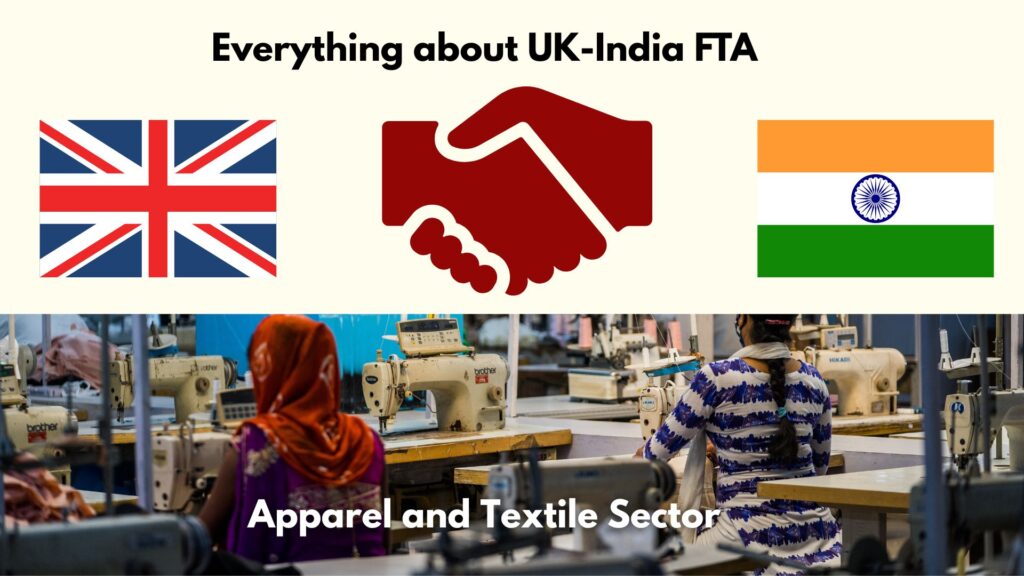
The global fashion manufacturing landscape is shifting due to new trade policies and tariffs introduced by the U.S. government. Recent changes, including higher import duties and stricter customs rules, are making it more expensive for brands to source from traditional manufacturing hubs.
As a result, many companies are looking for new suppliers to keep costs low while maintaining quality. Countries like India are emerging as strong alternatives, offering skilled labor, high-quality textiles, and competitive pricing. With these changes, brands need to rethink their sourcing strategies to stay ahead in the market.
1. India: Emerging Opportunities Amidst Global Shifts
India’s textile industry is on the cusp of significant growth, driven by both domestic initiatives and international developments:
- Policy Support: The Indian government has increased the Ministry of Textiles’ budget by 10%-15% to boost the sector. reuters.com
- Supply Chain Realignment: Political instability in Bangladesh has prompted global retailers to seek alternative suppliers, positioning India as a viable option. m.economictimes.com
- Competitive Advantages: Government incentives, such as corporate tax cuts and infrastructure investments, have enhanced the competitiveness of Indian textile manufacturers. reuters.com
However, challenges persist. Potential reciprocal tariffs from the U.S. could impact export sectors, including textiles, leading to significant financial losses.
Additionally, issues like high labor costs and regulatory complexities may hinder India’s ability to capitalize on these opportunities fully.
2. Vietnam: A Rising Manufacturing Hub
Vietnam has solidified its position as a key player in the global apparel market:
- Trade Relations: Vietnam’s growing trade deficit with the U.S., partly due to companies relocating manufacturing from China to Vietnam, has made it a focal point in U.S. trade policies. businessinsider.com
- Efficient Production: Streamlined regulatory processes and competitive labor costs have attracted numerous international brands to establish manufacturing bases in Vietnam.
However, Vietnam faces potential challenges from U.S. trade policies, which could impose tariffs affecting its export-driven economy.
3. Bangladesh: Navigating Political and Economic Challenges
Bangladesh has been a dominant force in apparel manufacturing:
- Cost Competitiveness: Low production costs have historically attracted global brands to Bangladesh.
- Current Instability: Ongoing political crises have disrupted supply chains, prompting buyers to explore alternative sourcing destinations. m.economictimes.com
The country’s ability to maintain its manufacturing prowess will depend on resolving internal challenges and restoring buyer confidence.
4. China: Adapting to New Trade Dynamics
China remains a significant player but faces evolving challenges:
- Policy Changes: The suspension of the ‘de minimis’ rule for Chinese parcels by the U.S. has disrupted supply chains, particularly affecting the fashion industry. voguebusiness.com
- Market Diversification: Brands are increasingly seeking to diversify their manufacturing bases to mitigate risks associated with tariffs and trade restrictions.
Conclusion
In 2027, the landscape of apparel manufacturing is influenced by a complex interplay of policy decisions, economic shifts, and geopolitical events. India emerges as a promising hub, bolstered by government initiatives and shifting global supply chains. Vietnam offers efficiency and competitiveness but must navigate potential trade policy challenges. Bangladesh’s future hinges on political stability, while China faces adjustments due to changing trade dynamics.
Brands must conduct thorough due diligence, stay informed about policy changes, and foster strong relationships with manufacturing partners to navigate this evolving landscape successfully.
Looking for a reliable manufacturer or sourcing company in India for your brand? With expert design, sourcing, and seamless production, we help brands scale effortlessly. Get high-quality manufacturing with low MOQs, real-time order tracking, and sustainable fabric options—all tailored to your needs.
📩 Let’s bring your vision to life! Contact us today for a free consultation.